19th UNESCO session, Asuncion
Nasi lemak, roti canai, teh tarik
Malay, Chinese, Indian, Peranakan, Borneo
Homes, kopitiams and hawker stalls
On 4 December 2024, Malaysia's breakfast was inscribed on UNESCO's Representative List of the Intangible Cultural Heritage of Humanity, at the committee's 19th session in Asuncion, Paraguay. Nominated by Malaysia in March 2023, it was the country's first heritage element recognised for food and gastronomy.
The listing celebrates far more than a plate of food. It honours the daily habit of eating out together in the morning, where Malay, Chinese, Indian and other communities are both the cooks and the diners. The nomination names nasi lemak, roti canai and teh tarik as staples, but the real heritage is the shared table that crosses every ethnic and social line across all 14 states.
Dishes that began within one community are now cooked and loved by all. Nasi lemak, roti canai and char kuey teow belong to everyone, a daily, edible symbol of Malaysia's harmony.
Breakfast is a gathering, not just a meal. People from every walk of life share tables at kopitiams (coffee shops) and mamak stalls to eat, talk and start the day in company.
Secret sambal blends, kaya recipes and curry techniques travel from parent to child and from old hawkers to young ones, keeping the tradition alive in homes and stalls alike.
Every state adds its own chapter, from Kelantan's nasi kerabu to Penang's asam laksa and Sarawak's laksa, giving Malaysians a strong sense of local pride and place.
31 iconic dishes and drinks, each labelled by the community it comes from and the state or region it is most loved in. The three elements named in the UNESCO listing, nasi lemak, roti canai and teh tarik, carry a UNESCO element badge. Filter by heritage to explore.
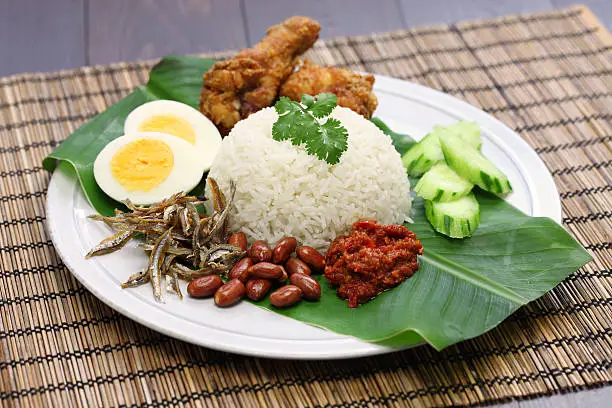
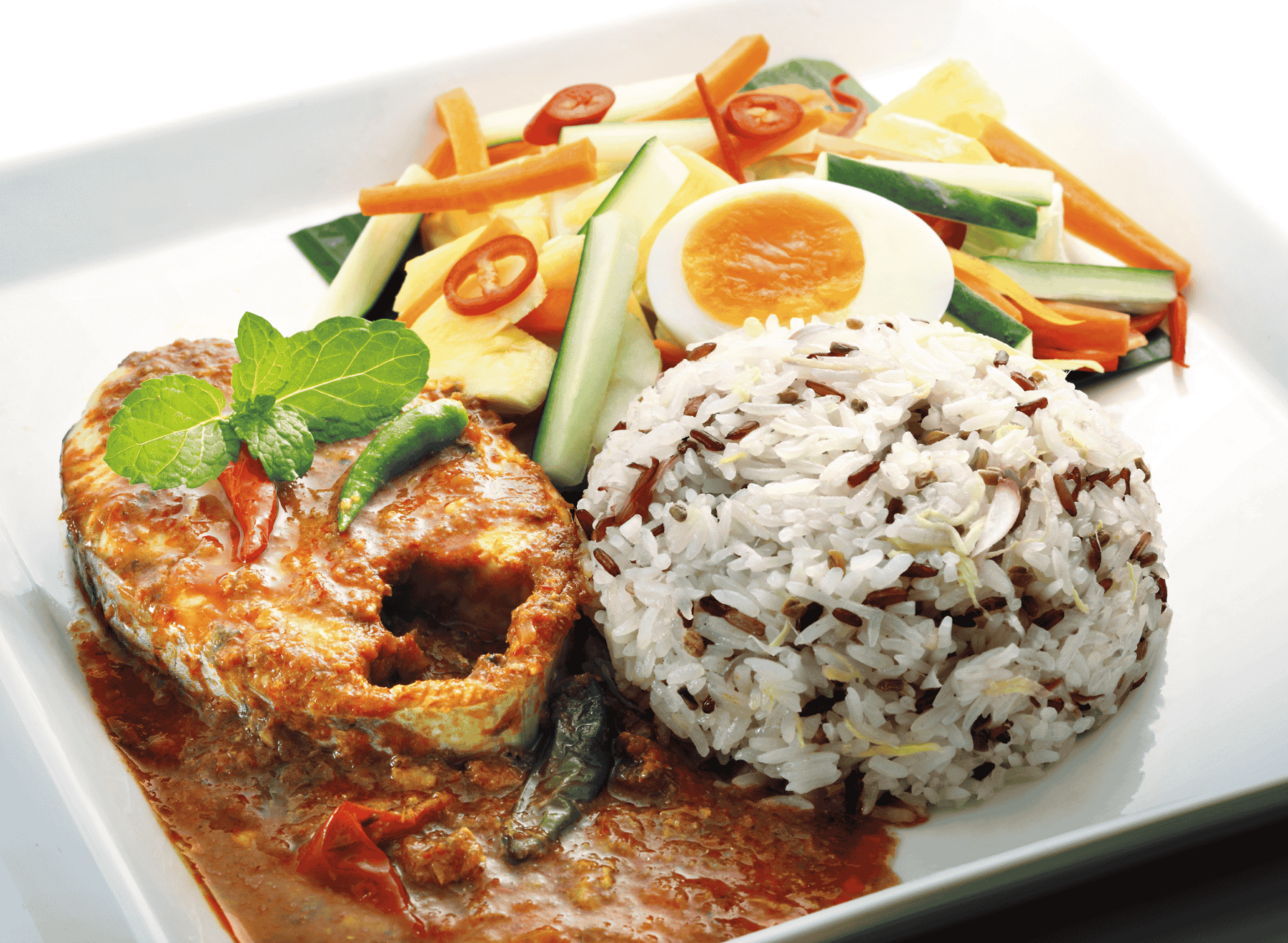
Malaysia's national dish and the heart of its UNESCO breakfast recognition. Fragrant coconut rice steamed with pandan, served with spicy sambal, crispy anchovies (ikan bilis), roasted peanuts, cucumber and a boiled or fried egg. Declared a national heritage food in 2022.
RM 1.50 to 3 (banana leaf) · RM 8 to 30 (with rendang or chicken)
Flaky, chewy griddled flatbread, flipped and stretched to order, served with dhal, fish or chicken curry. One of the three dishes named in Malaysia's UNESCO nomination. Order it kosong (plain), telur (egg) or banjir (flooded with curry).
RM 1.20 to 2 (plain) · RM 3 to 8 (egg or cheese)
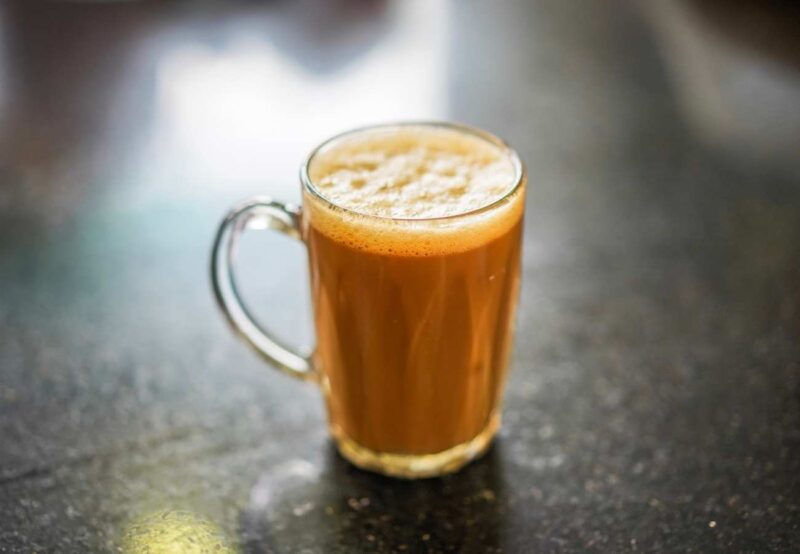
Malaysia's pulled tea: black tea and condensed milk poured back and forth between two vessels from a height until thick and frothy. The essential companion to any mamak breakfast, and named in the UNESCO listing.
RM 1.50 to 3.50
A rustic kampung breakfast of thin coconut pancakes made from flour, grated coconut and a pinch of salt, griddled until golden and eaten with spicy sambal ikan bilis or a light sprinkle of sugar.
RM 2 to 5
Half-moon curry puffs with a crimped edge, filled with curried potato and chicken and sometimes a slice of hard-boiled egg or sardine. A morning-market favourite eaten warm with a cup of kopi or teh.
RM 0.80 to 2 per piece
Glutinous rice cooked in coconut milk, wrapped around a savoury filling of spiced dried shrimp or coconut floss (serunding) in a banana-leaf parcel, then grilled until fragrant. A portable morning bite.
RM 1 to 2.50 per piece
An East Coast morning ritual of white and glutinous rice steamed in coconut milk, paired with a rich tuna curry (gulai ikan tongkol), hard-boiled egg and pickled vegetables. Best eaten fresh at weekend markets in Kuala Terengganu.
RM 6 to 12
Striking blue rice tinted naturally with butterfly pea (bunga telang) flowers, tossed with a fresh herb salad, toasted coconut, fish crackers, salted egg and fried chicken or fish. A signature of Kelantan and Terengganu.
RM 6 to 12
Compressed rice cakes cut into cubes and bathed in a mild turmeric and coconut milk broth (kuah lodeh) with long beans, tempeh, tofu and boiled egg. A comforting, filling way to start the day.
RM 4 to 9
Yellow noodles drowned in a thick, sweet and savoury sweet-potato and prawn gravy, topped with boiled egg, tofu, bean sprouts, fried shallots and a squeeze of calamansi lime.
RM 5 to 9
Lacy, net-like crepes made by swirling batter through a special cup, then folded and served with chicken curry or dhal. A pretty festive-morning favourite at kenduri gatherings.
RM 3 to 8
A thick, fluffy folded pancake with a crisp edge, filled with crushed peanuts, sugar and creamed sweetcorn. A beloved market snack with shared Malay and Hokkien Chinese roots (also known as min chiang kueh).
RM 1 to 5

The classic kopitiam set. Charcoal-toasted bread spread with sweet pandan-coconut kaya jam and a slab of cold butter, dipped into runny soft-boiled eggs seasoned with soy sauce and white pepper, washed down with kopi.
RM 3.50 to 7 (kopitiam) · RM 12 to 16 (cafe)
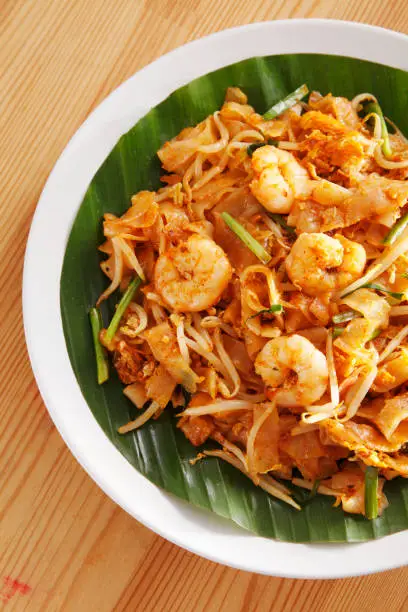
Flat rice noodles seared over ferocious wok-hei heat with prawns, cockles, Chinese sausage, egg, bean sprouts and chives. Penang's most famous plate. Traditional versions use lard, but halal stalls are common.
RM 6 to 12
Springy egg noodles tossed in dark soy and sesame oil, topped with slices of char siew (barbecued pork) and leafy greens, with pork-and-prawn wontons in a bowl of soup on the side. Contains pork.
RM 6 to 10
Silky rice porridge simmered until creamy, topped to order with shredded chicken, fish slices, century egg, salted egg or preserved vegetables. Gentle comfort food for the morning.
RM 4 to 10
Silky steamed rice noodle rolls. The Penang version is dressed in sweet prawn paste (hae ko) and sesame, while the Ipoh style comes with a mushroom sauce and pickled green chilli.
RM 3 to 7
Golden, airy Chinese crullers (youtiao) deep-fried in pairs. Dunk them into congee, soy milk or coffee, or eat them alongside kaya toast for a crunchy morning bite.
RM 1.50 to 3
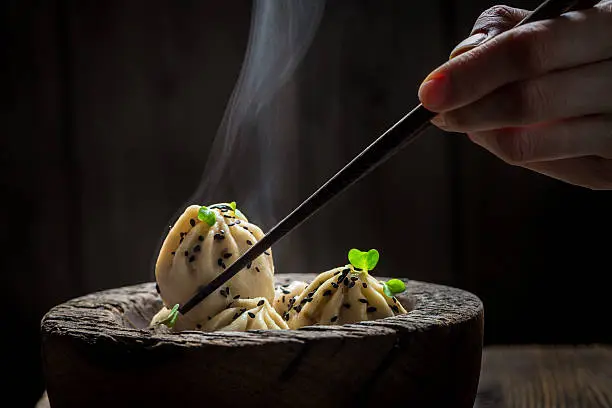
Bite-sized steamed and fried morsels served from trolleys or bamboo baskets: har gow, siew mai, char siew bao and lo mai gai, with endless refills of Chinese tea. A leisurely weekend brunch tradition.
RM 4 to 8 per basket
Hand-torn or knife-cut wheat noodles in a clear anchovy (ikan bilis) broth, topped with minced meat, mushrooms, leafy greens and crispy anchovies. Often served dry with a fiery dried-chilli sauce.
RM 7 to 12
Pork ribs slow-simmered in a herbal broth of garlic, star anise and Chinese herbs, eaten with rice, youtiao and strong tea. Klang is its spiritual home, with dozens of specialists. Contains pork.
RM 12 to 25
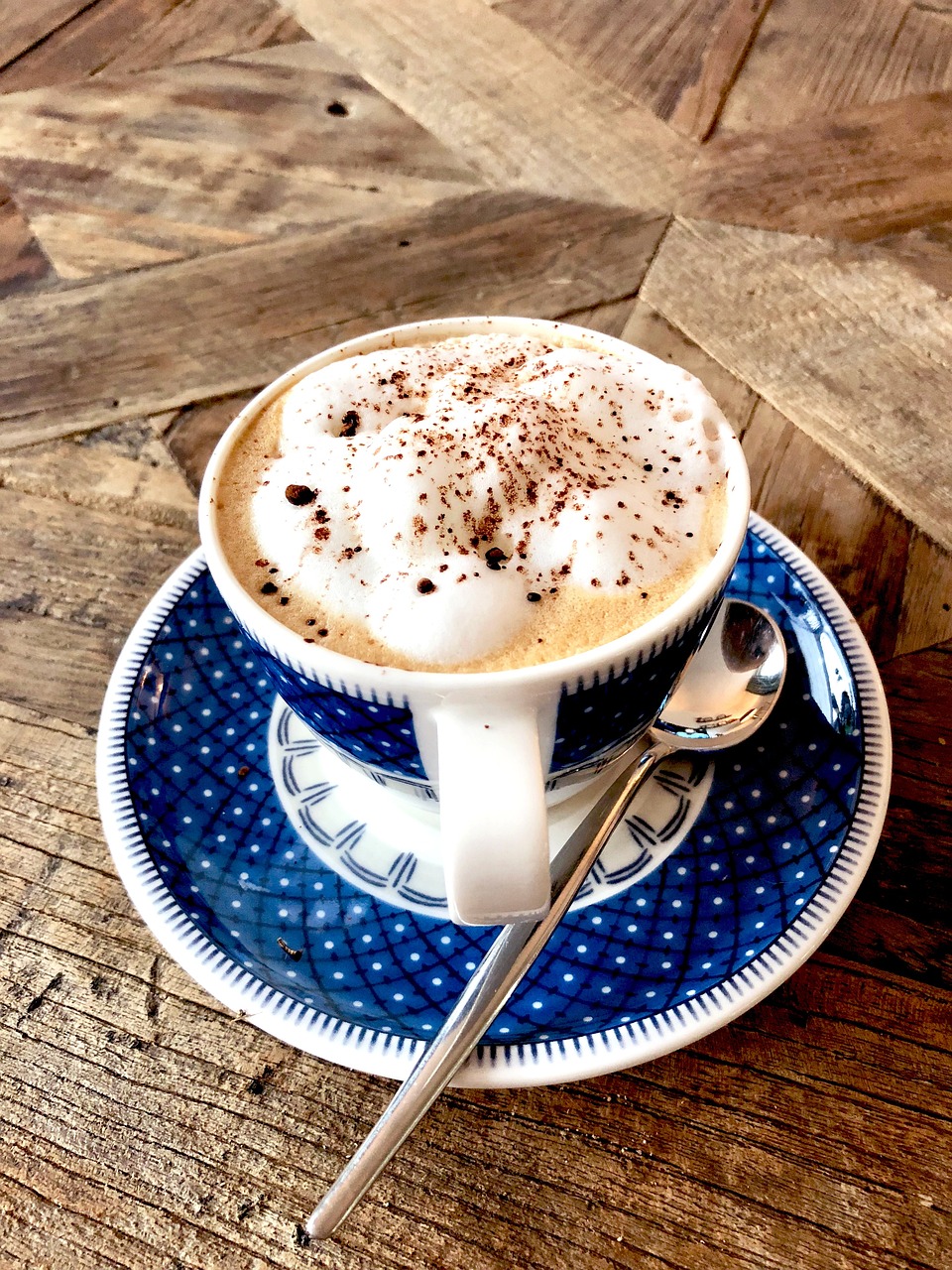
Thick, dark local coffee, roasted with sugar and margarine and brewed through a cloth 'sock'. Order by code: kopi O (black, sweetened), kopi C (with evaporated milk) or kopi peng (iced).
RM 1.50 to 3
A large, crisp crepe of fermented rice and lentil batter, served with sambar, coconut chutney and dhal. Order it masala (stuffed with spiced potato) or plain. Naturally vegetarian.
RM 2 to 8
Idli are soft, steamed rice-and-lentil cakes; vadai are savoury deep-fried lentil doughnuts with a crunchy shell. Both are dipped in sambar and chutney for a light vegetarian breakfast.
RM 1 to 5
Delicate steamed rice-flour string hoppers (idiyappam), eaten with freshly grated coconut and orange palm sugar or brown sugar. A soft, mildly sweet start to the morning.
RM 1.50 to 4
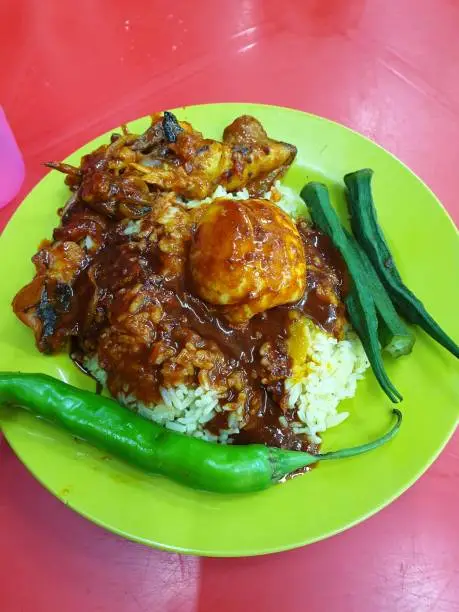
Steamed rice served with a flood of mixed curries and sides: fried chicken, squid sambal, okra and boiled egg, all ladled together (banjir) so the gravies mingle. Born in Penang and eaten from breakfast to midnight.
RM 7 to 20
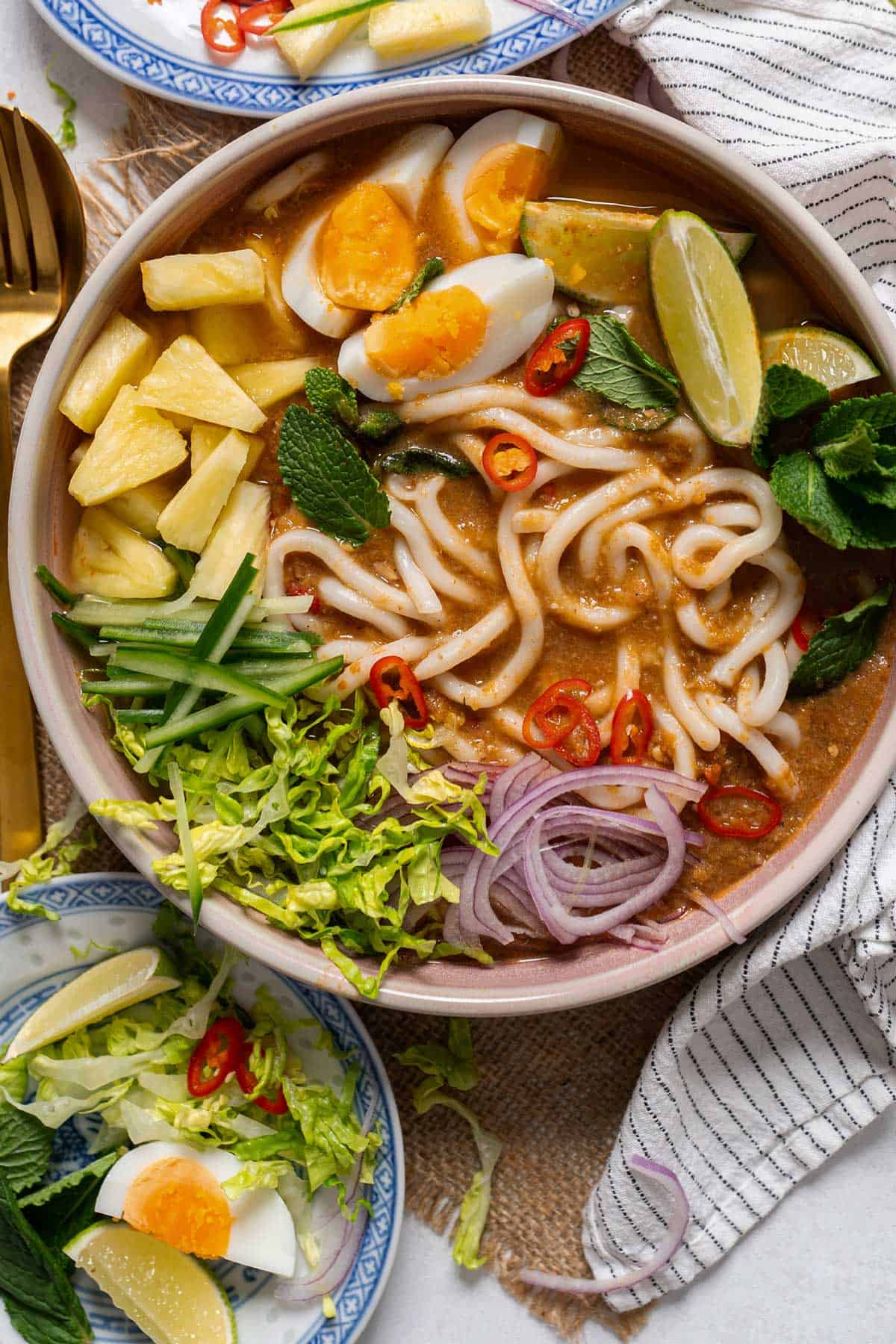
A tangy, spicy fish broth of poached mackerel soured with tamarind and torch ginger, over thick rice noodles, finished with mint, pineapple, cucumber and a spoon of prawn paste (hae ko). Ranked among the world's tastiest foods.
RM 6 to 12
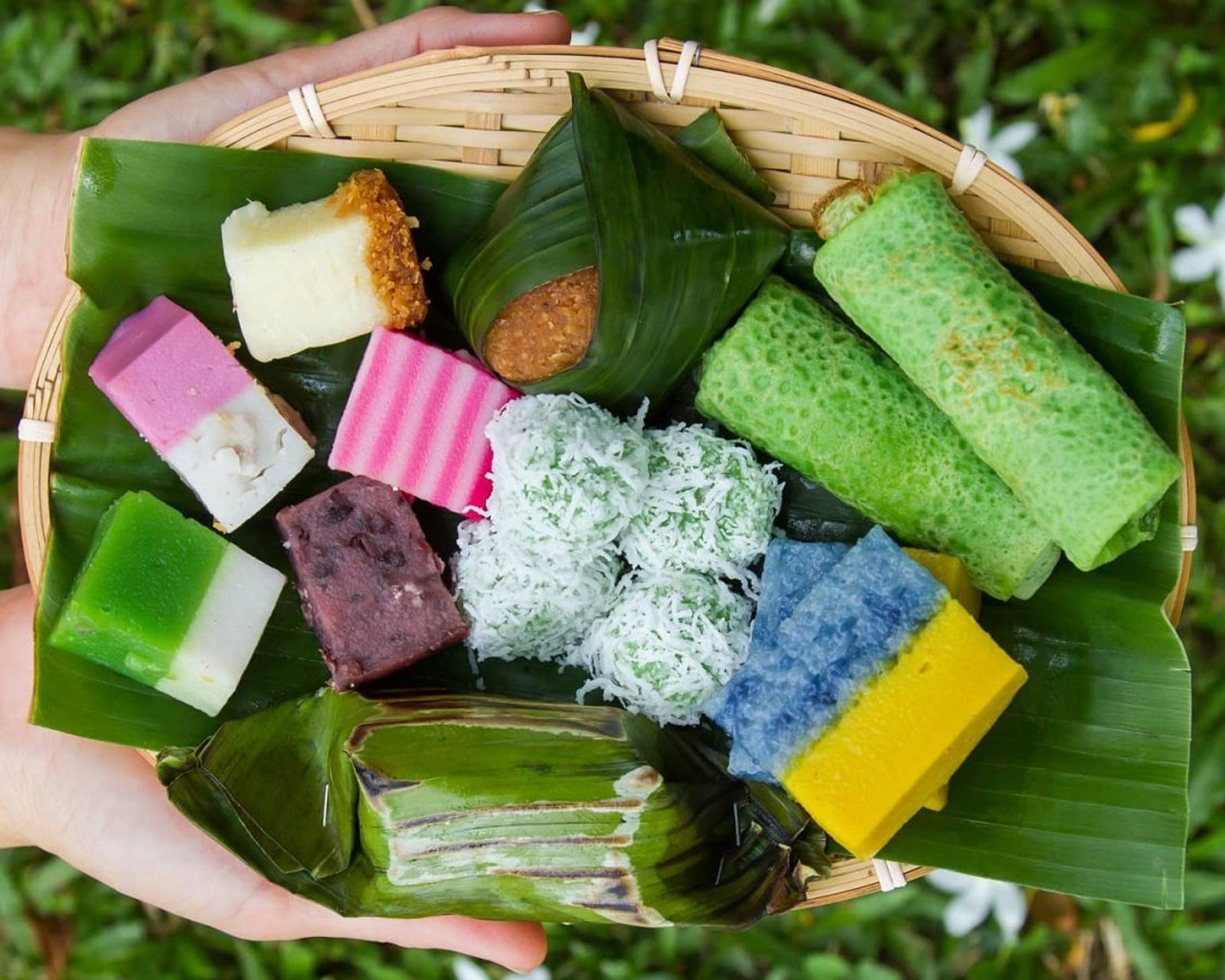
Jewel-coloured bite-sized cakes born from Malay and Chinese kitchens: kuih lapis, onde-onde, kuih talam and seri muka, built on coconut, pandan and gula melaka (palm sugar). Perfect with morning coffee.
RM 0.60 to 2 per piece
Thin rice vermicelli in a sweet, sour and spicy tamarind gravy with bean sprouts, chives, tofu puffs, boiled egg and lime. A Nyonya-Malay favourite despite the 'Siam' in its name.
RM 4 to 8
Famously called a breakfast of the gods. Rice vermicelli in a fragrant, layered broth built on sambal belacan and coconut milk, topped with shredded chicken, prawns, omelette strips, bean sprouts and coriander.
RM 7 to 13
Springy egg noodles tossed dry with a light savoury dressing and topped with minced pork or chicken and char siew. Some stalls tint it red with char siew oil. Halal chicken versions are widely available.
RM 5 to 9
Nasi Lemak Wanjo
Kampung Baru. A Kampung Baru institution for Malay-style nasi lemak with rendang ayam, sambal sotong and generous fragrant coconut rice.
Yut Kee Kopitiam
Jalan Kamunting, off Jalan Dang Wangi. Heritage Hainanese kopitiam beloved for kaya toast, roti babi, chicken chop and marble cake, run by the same family for generations.
Wan Suraya
Kampung Baru. East Coast Malay heritage cooking, with nasi dagang, nasi kerabu and kerabu salads bright with fresh herbs and bold spice.
Santa Chapati House
Jalan Tun H. S. Lee, city centre. Indian heritage breakfast of freshly made chapati, roti canai and thosai with dhal, chicken curry and mutton sides.
Ali Nasi Lemak Daun Pisang
Beach Street, George Town. Michelin-listed nasi lemak wrapped in banana leaf at about RM 3 a packet, famed for fragrant rice, tender anchovies and fiery sambal.
Toh Soon Cafe
Campbell Street, George Town. Back-lane kopitiam serving charcoal-toasted kaya butter bread and half-boiled eggs with strong local coffee.
Transfer Road Roti Canai
Jalan Transfer, George Town. One of Penang's best-loved roti canai stalls, simple flatbread paired with flavourful curries and a morning queue.
Kimberley Street
George Town. Heritage hawker street for chee cheong fun, duck kuey teow char and Penang-style porridge from dawn.
Open the interactive map of the Klang Valley to browse kopitiams, mamak stalls and cafes around Kuala Lumpur.
Yes. On 4 December 2024, UNESCO inscribed 'Breakfast culture in Malaysia: dining experience in a multi-ethnic society' on the Representative List of the Intangible Cultural Heritage of Humanity, at the committee's 19th session in Asuncion, Paraguay. It was Malaysia's first element recognised for food and gastronomy.
The nomination specifically highlights nasi lemak, roti canai and teh tarik as staple elements of the Malaysian breakfast. In practice the tradition spans hundreds of Malay, Chinese, Indian, Peranakan and Bornean dishes.
There is no single Malaysian breakfast. A morning could mean nasi lemak from a Malay stall, kaya toast and soft-boiled eggs at a Chinese kopitiam, or roti canai and teh tarik at an Indian-Muslim mamak. The shared ritual of eating out early, across ethnic lines, is what UNESCO recognised.
Malay dishes include nasi lemak, nasi dagang and nasi kerabu. Chinese contributions include kaya toast, char kuey teow and dim sum. Indian and mamak staples include roti canai, thosai and teh tarik. Peranakan (Nyonya) adds asam laksa and kuih, while Borneo brings Sarawak laksa and kolo mee.
A kopitiam is a traditional coffee shop, usually Chinese and often Hainanese run, known for kaya toast, soft-boiled eggs and kopi. A mamak is an Indian-Muslim open-air eatery famous for roti canai, teh tarik and 24-hour service. Both are pillars of Malaysian breakfast culture.
Breakfast is famously affordable. A banana-leaf nasi lemak or plain roti canai can cost as little as RM 1.50 to RM 3. A fuller meal at a kopitiam runs RM 8 to RM 20, while cafe and restaurant versions reach RM 25 or more.
Many stalls open from 6 to 7 am, with the freshest food between 7 and 9 am. Mamak restaurants often run 24 hours, so staples like roti canai and teh tarik are available at any time of day.
Malay and Indian-Muslim (mamak) food is halal. Chinese dishes vary: some, such as bak kut teh and wan tan mee, contain pork, while many hawker stalls are halal or offer halal versions. Look for halal certification or ask the vendor if you are unsure.
Most stalls open by 6 to 7 am and the best food goes between 7 and 9 am. Popular nasi lemak and char kuey teow sell out fast. Mamak restaurants run 24 hours for late cravings.
Budget from RM 3 to 8 at roadside stalls, RM 10 to 20 at kopitiams, RM 25 and up at cafes. Many hawkers are cash only, so carry small notes (RM 1, 5, 10).
Sharing tables with strangers is normal. Order drinks from the roaming drink stall, and ask for kurang manis (less sweet) if your kopi or teh tarik is too sugary.
1. UNESCO. (2024). Breakfast culture in Malaysia: dining experience in a multi-ethnic society. Representative List of the Intangible Cultural Heritage of Humanity, 19.COM.
2. Department of National Heritage Malaysia. (2024). Malaysian Breakfast Culture: Dining Experience in a Multi-Ethnic Society.
3. New Straits Times. (5 December 2024). Malaysia's breakfast culture recognised as UNESCO intangible cultural heritage.
4. Mohd Zahari, M.S., et al. (2023). Much More Than Food: The Malaysian Breakfast, a Socio-Cultural Perspective. Sustainability, 15(3), 2815.
5. Tourism Malaysia. (2025). 20 Awesome and True Malaysian Breakfasts.





.jpg?width=800)