
Malaysian cuisine is a vibrant tapestry woven from the culinary traditions of Malay, Chinese, Indian, and indigenous communities. Over centuries of trade, migration, and cultural exchange, these diverse influences have created one of the world's most exciting food cultures.
From the aromatic spices of Malay rendang to the herbaceous flavors of Chinese stir-fries and the fiery curries of Indian cuisine, Malaysian food reflects the nation's multicultural harmony. Regional variations from Penang to Sabah add even more depth to this rich gastronomic heritage.
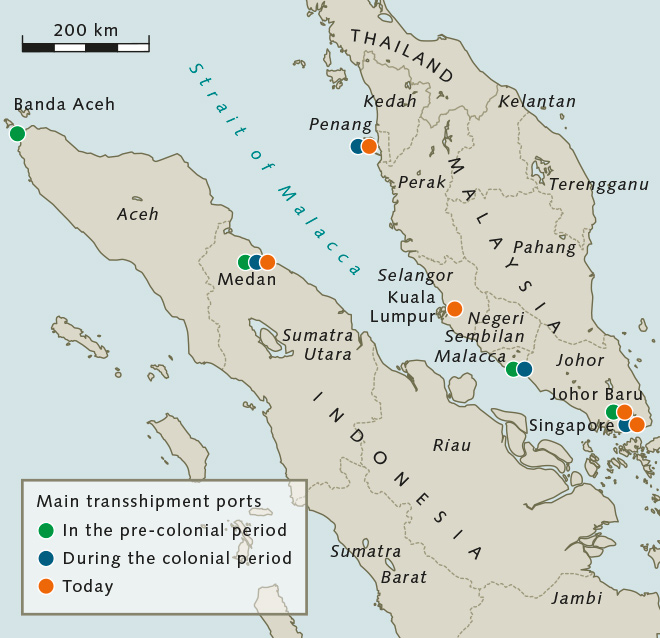
For over 2,000 years, the Straits of Malacca (Melaka) served as one of the world's most important maritime trade routes, connecting the Indian Ocean to the South China Sea. This strategic position transformed the Malay Peninsula into a cultural and culinary melting pot where East met West.
The ancient port cities of Melaka (Malacca), Penang, and Singapore became thriving entrepôts where Arab, Persian, Indian, Chinese, Javanese, Siamese, and later European traders exchanged not just goods—but recipes, ingredients, and cooking techniques that would forever shape Malaysian cuisine.
Pre-Colonial Era
The indigenous foundation that absorbed all influences
Core Ingredients: Coconut, pandan, lemongrass, galangal, turmeric, tamarind
Techniques: Sambal-making, coconut milk curries, banana leaf wrapping, grilling
Dishes: Nasi lemak, rendang, satay, ikan bakar, ulam
Impact: Rice-based culture, communal eating, medicinal herbs
Spice Route Era
Dominated the Spice Route trade
Spices: Cardamom, cumin, coriander, fennel, star anise, cloves, nutmeg
Techniques: Curry-making, tandoor grilling, biryani rice
Dishes: Roti canai, nasi kandar, murtabak, teh tarik
Impact: Introduction of Islam and halal food culture
Maritime Silk Road
Established communities and trading posts
Ingredients: Soy sauce, rice noodles, tofu, preserved vegetables, sesame oil
Techniques: Wok frying, steaming, braising, noodle-making
Dishes: Char kuey teow, Hainanese chicken rice, bak kut teh, wonton mee
Impact: Peranakan/Nyonya fusion cuisine (Chinese-Malay marriage)
Portuguese Conquest
Conquest of Melaka introduced New World ingredients
Ingredients: Chili peppers, tomatoes, pineapple, bread
Techniques: Vinegar-based dishes, bread-making
Impact: Eurasian-Kristang cuisine foundation
Dutch Period
Dutch East India Company presence
Techniques: Advanced baking techniques, layered cakes
Dishes: Kuih lapis, Eurasian recipes
Impact: Refined baking and confectionery traditions
British Colonial Era
British Malaya and Straits Settlements
Culture: Tea culture, Western breakfast traditions
Dishes: Kaya toast, bread culture, Western-Asian fusion
Impact: Kopitiam (coffeeshop) culture, English breakfast adaptation
This centuries-long exchange created dishes that exist nowhere else in the world. Laksa combines Chinese noodles with Malay spices and coconut milk. Nasi kandar mixes Indian curries with Malay rice. Char kuey teow uses Chinese wok techniques with Malay sambal. The result is a cuisine that tells the story of Malaysia's position as a historic crossroads—where every meal is a testament to cultural harmony and centuries of shared history.
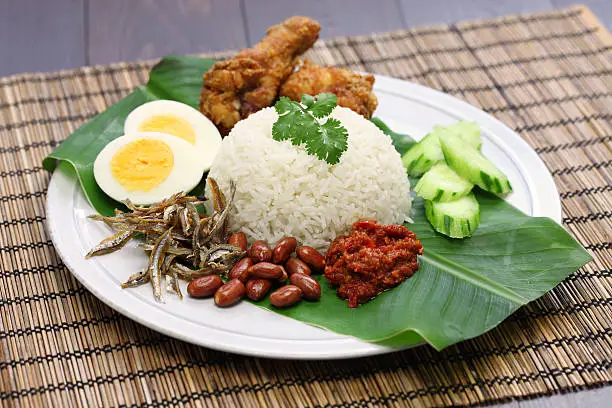
Malaysia's beloved national dish - fragrant coconut rice served with sambal, crispy anchovies, roasted peanuts, boiled egg, and cucumber. Declared national heritage in 2022.

Rich, slow-cooked meat curry (usually beef or chicken) with coconut milk and spices. Named world's most delicious food by CNN Travel. A staple for festive occasions.
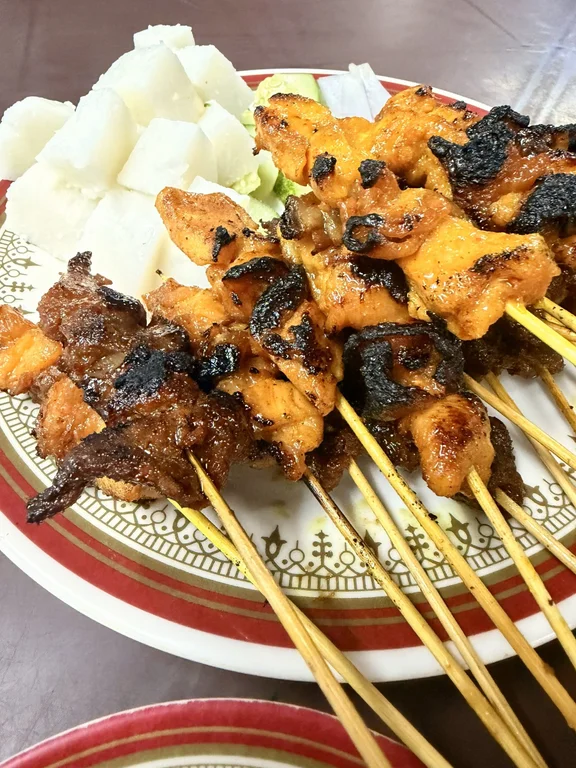
Grilled skewered meat (chicken, beef, or lamb) served with peanut sauce, cucumber, onions, and ketupat (compressed rice cakes). Malaysia's iconic street food.
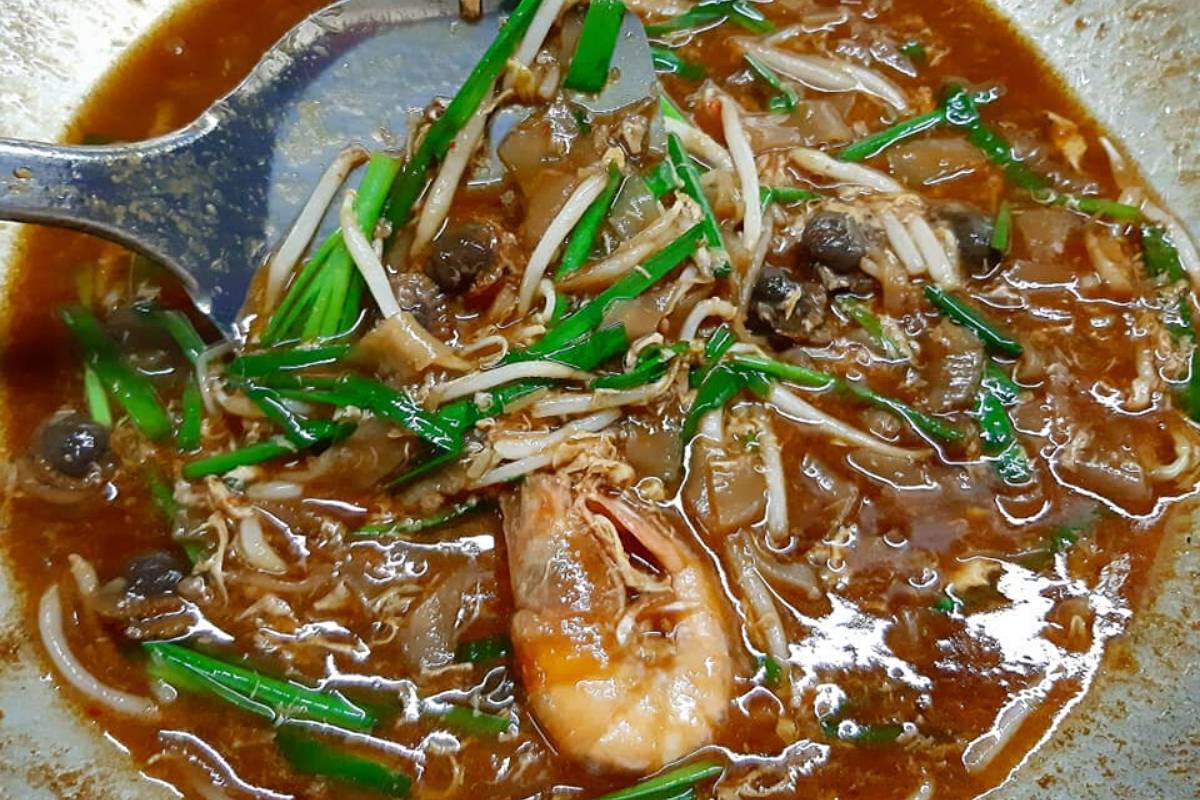
Flat rice noodles wok-fried with shrimp, cockles, Chinese sausage, eggs, bean sprouts, and chives in dark soy sauce. Penang's iconic street food. (Often contains pork)

Poached chicken served with fragrant rice cooked in chicken stock, accompanied by chili sauce, ginger paste, and dark soy sauce. Simple yet perfect.

Penang's signature rice meal with mixed curries - options include fish curry, chicken rendang, squid sambal, okra, and more. Named after the shoulder pole used by vendors.

Flaky, crispy flatbread served with dhal (lentil curry) or various curries. A mamak stall staple available 24/7 across Malaysia.
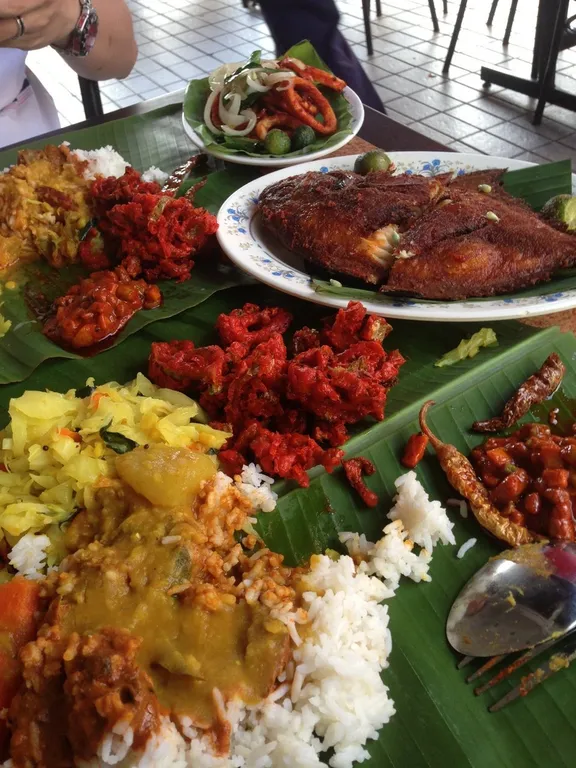
South Indian meal served on banana leaf - white rice with assorted vegetables, papadum, rasam, and choice of curries (fish, chicken, mutton, or vegetarian).
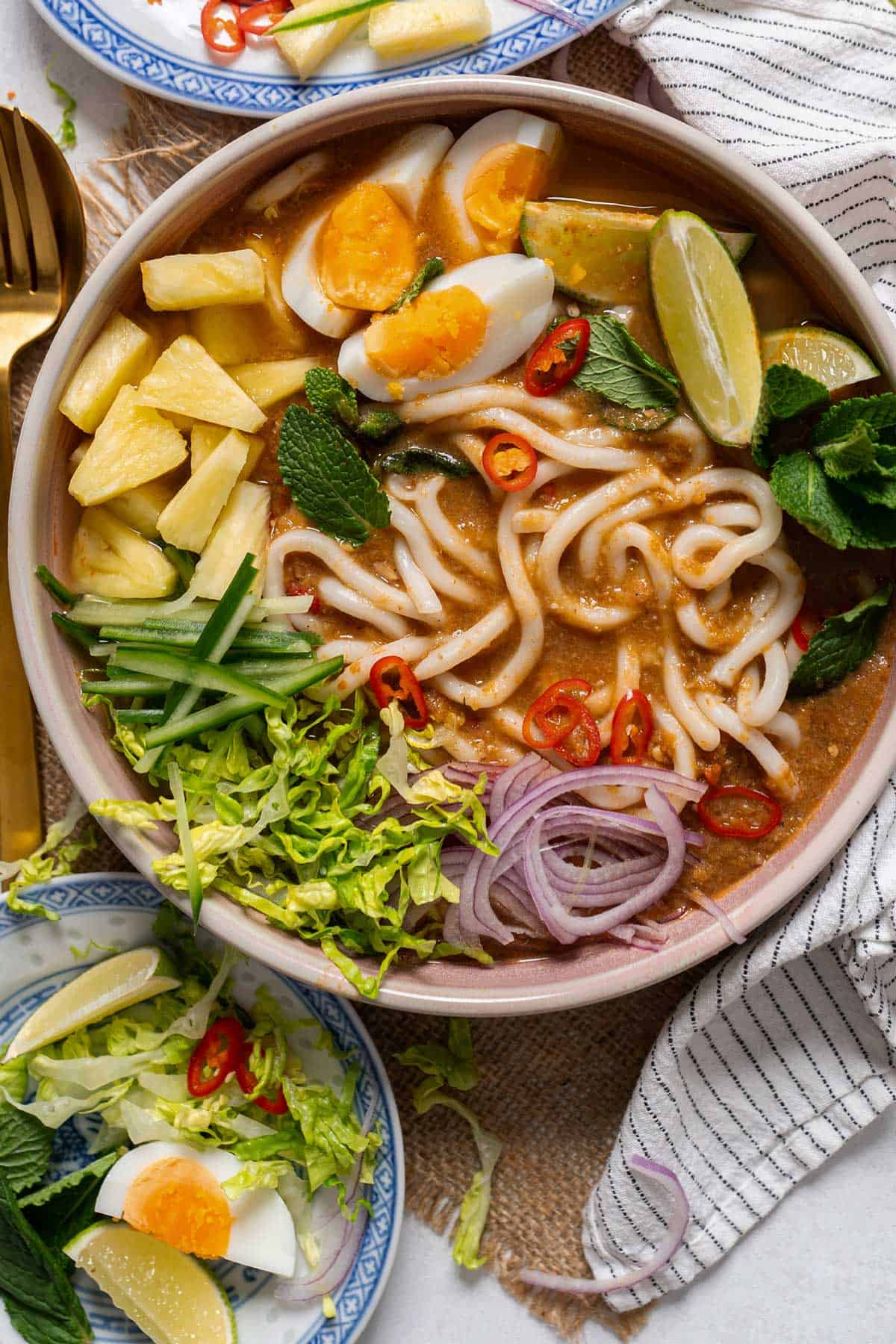
Spicy noodle soup with regional variations - Penang Asam Laksa (sour tamarind fish broth), Curry Laksa (coconut-based), and Sarawak Laksa (aromatic sambal belacan).
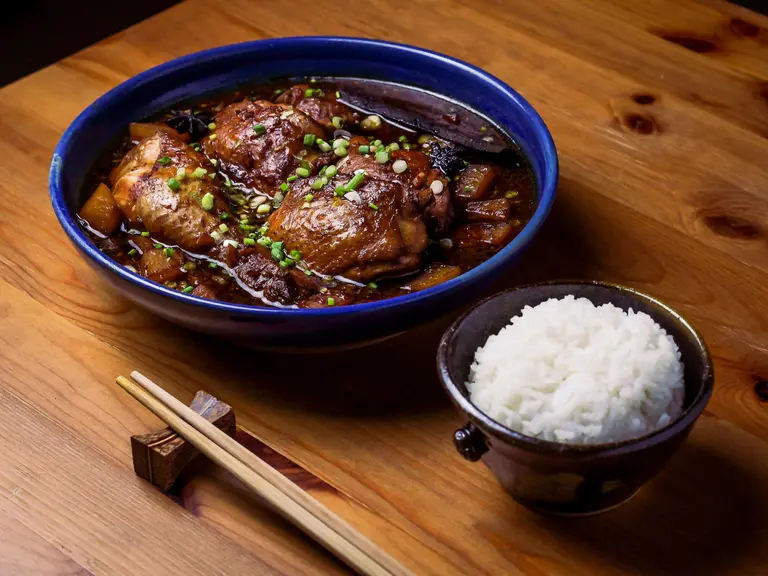
Nyonya chicken stew braised with fermented soy bean paste, potatoes, and mushrooms. A Peranakan family recipe passed down generations.
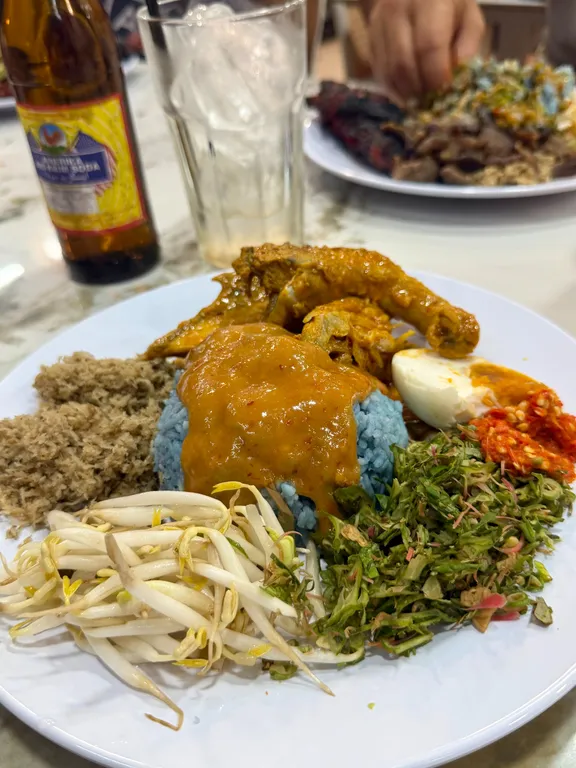
Kelantanese blue rice (colored with telang flowers) served with traditional salad, fish crackers, salted egg, and fried chicken or fish. Vibrant and herbaceous.
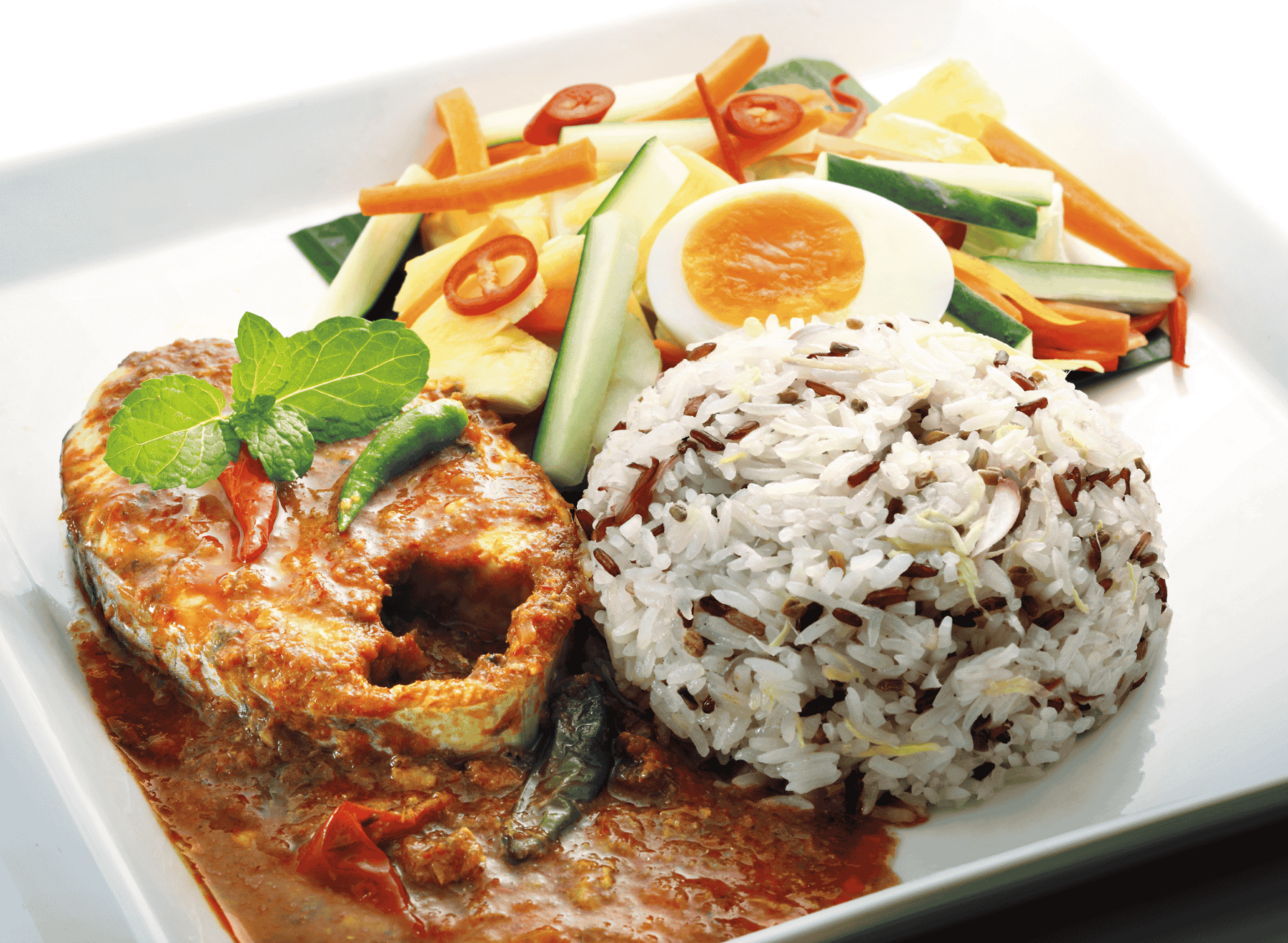
Terengganu's specialty - glutinous rice mixed with white rice, served with tuna curry, hard-boiled eggs, and pickled vegetables. A hearty east coast favorite.
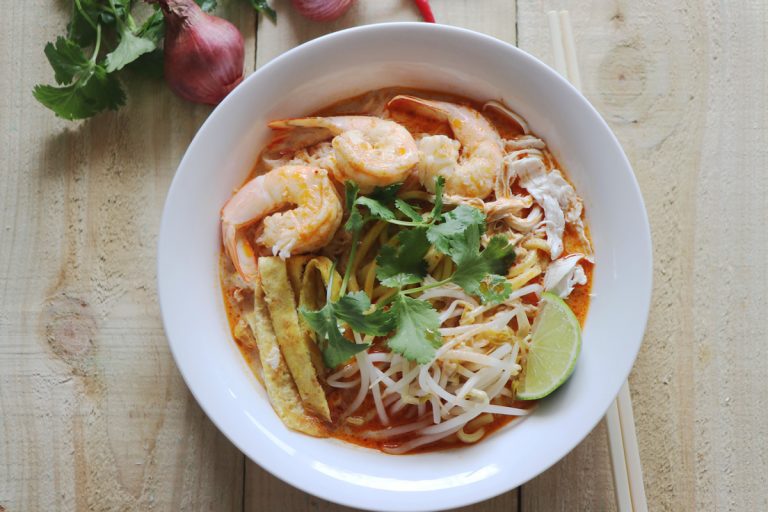
Unique Borneo laksa with rice vermicelli in spicy coconut-based broth, topped with shredded chicken, prawns, bean sprouts, and sambal belacan. Breakfast champion.

Sabahan raw fish salad marinated in lime juice with shallots, ginger, chili, and bitter gourd. The Kadazan-Dusun community's ceviche-style delicacy.
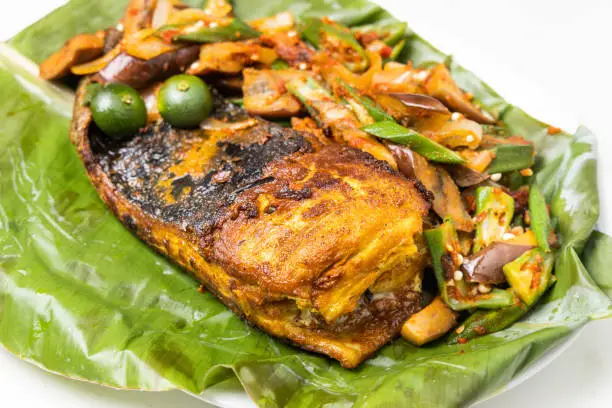
Grilled fish (usually stingray or seabass) marinated with spices and wrapped in banana leaf, served with sambal belacan and rice. Coastal Malaysia's pride.

Aromatic pork rib soup cooked in complex herbal broth with garlic, star anise, and Chinese herbs. Klang is the capital with 100+ restaurants. (Non-Halal - contains pork)
Food is the great unifier in Malaysia. Mamak stalls, kopitiams, and hawker centers bring together people from all ethnic backgrounds, breaking down barriers through shared meals and mutual appreciation of flavors.
Traditional recipes are passed down through generations, with families preserving secret spice blends, cooking techniques, and cultural food practices that date back centuries. Each dish tells a story of migration, adaptation, and resilience.
From Penang's char kuey teow to Sarawak laksa and Sabah's hinava, regional dishes inspire fierce local pride. Food tourism drives visitors to explore every corner of Malaysia, discovering unique flavors that can't be found anywhere else.
Kampung Baru
Kuala Lumpur - A morning haven for traditional Malay breakfast, featuring fragrant nasi lemak, perfectly grilled satay, and slow-cooked rendang. Start your day with the authentic flavors of a Malay village right in the heart of the city.
Jalan Alor
Bukit Bintang, Kuala Lumpur - Bustling street perfect for an early bite, offering a mix of Chinese, Malay, and Thai breakfast delights. Enjoy dim sum, fried noodles, and sweet treats while soaking in the lively morning atmosphere.
Masjid India
Kuala Lumpur - Ideal for a flavorful breakfast, with Indian Muslim dishes like roti canai, teh tarik, and nasi lemak. The vibrant streets and traditional eateries make it a popular spot for locals and visitors alike.
Gurney Drive
Famous for its evening and late-night hawker scene, offering char kuey teow, assam laksa, rojak, and oyster omelette. A must-visit for Penang’s street food experience.
Penang Road
A bustling street filled with legendary street food, including chendul, nasi kandar, and other traditional Penang breakfast and snack options.
Kimberley Street
Heritage street with iconic hawker stalls serving duck kuey teow, char kuey teow, and other local favorites. Perfect for early morning and evening bites.
Malaysian food can be spicy! Don't hesitate to ask for "kurang pedas" (less spicy) or "tak nak pedas" (no spicy). Most vendors are happy to adjust.
Many dishes contain pork or are non-halal. Look for "Halal" certification or ask vendors. Indian Muslim and Malay establishments are generally halal.
Hawker stalls and street vendors primarily accept cash. Bring small bills (RM 1, 5, 10) for easier transactions at local eateries.
It's common to share dishes family-style. At hawker centers, "chope" (reserve) seats with a tissue packet. Don't be shy to eat with your hands for banana leaf rice!
Hawker centers are busiest during meal times (7-9 AM, 12-2 PM, 6-8 PM). Some stalls sell out early. Visit popular spots before noon for best selection.
Learn basic food terms: "Bungkus" (takeaway), "Makan sini" (dine in), "Satu" (one), "Berapa?" (how much?). Most vendors understand English in tourist areas.
1. Tourism Malaysia. (2025). Malaysian Cuisine & Food Culture.
2. Tourism Malaysia. (2025). 20 Awesome and True Malaysian Breakfast.
3. Department of National Heritage Malaysia. (2024). Traditional Malaysian Culinary Heritage.
4. CNN Travel. World's 50 Best Foods - Malaysian Rendang.
5. Penang Global Tourism. (2024). Penang Food Guide - Street Food & Heritage Cuisine.
6. Malaysia Heritage Commissioner. (2022). Nasi Lemak National Heritage Declaration.
7. Khoo, J. M. (2020). The Straits of Malacca: Maritime Trade Routes and Cultural Exchange. Asian Food Studies Journal.
8. UNESCO. (2008). Historic Cities of the Straits of Malacca: Melaka and George Town. World Heritage List.
9. National Museum of Malaysia. (2023). Maritime History of the Malay Peninsula and the Spice Trade.
10. Kratoska, P. H. (2016). The Food of Asia: Featured Histories. Taylor & Francis Historical Studies.
11. World Ocean Review. (2017). The Strait of Malacca: A Historical Shipping Metropolis. WOR 5 - Coasts: A Vital Habitat Under Pressure.
Rendang image courtesy of Resepi Limau Nipis - Rendang Ayam Resipi Ibu.