Thank you for the correction! Based on the official information, the museum actually has four levels/floors. Let me rewrite the article with the accurate floor information:
Islamic Arts Museum Malaysia: A Cultural Treasure in Kuala Lumpur
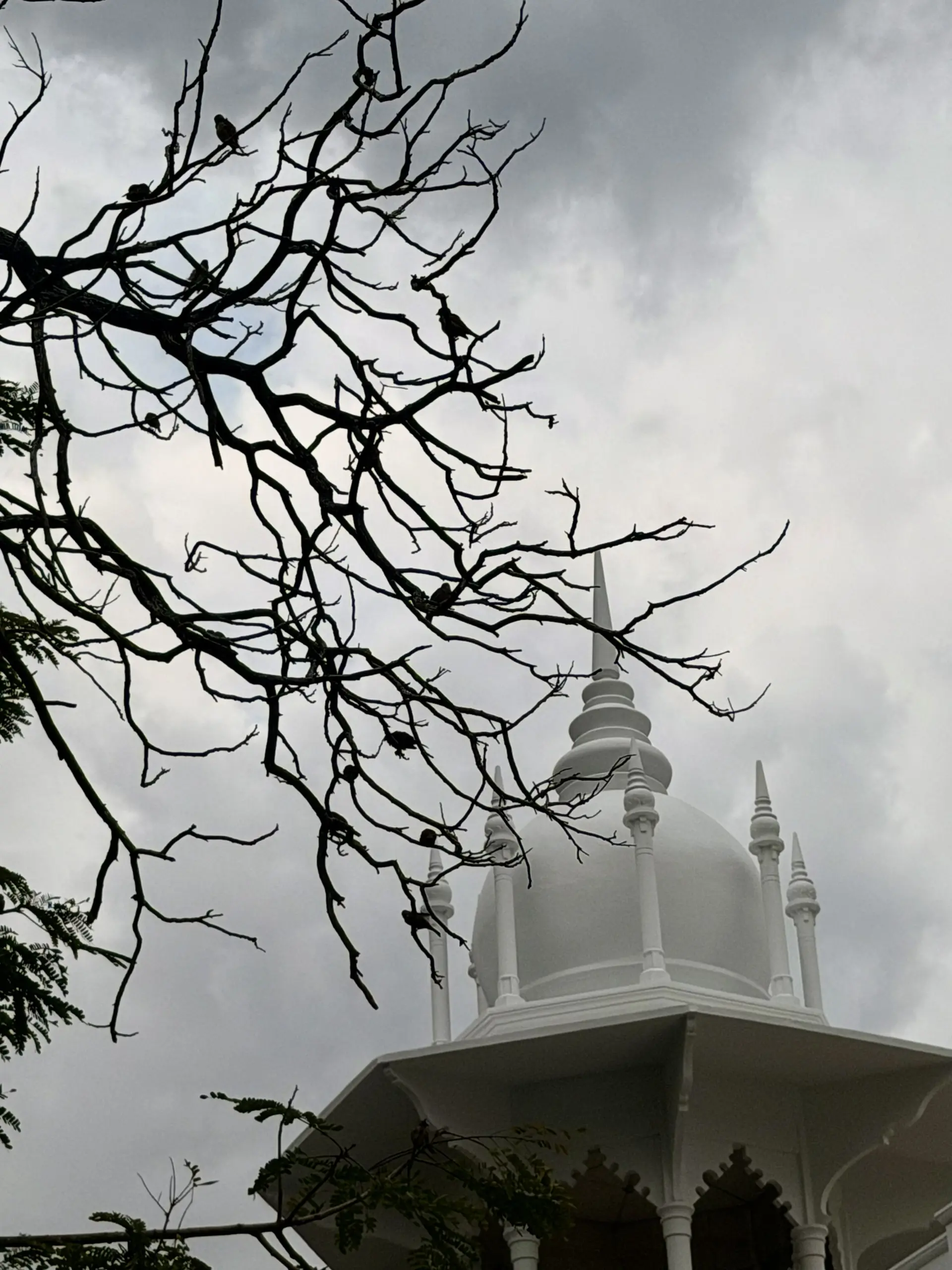
The Islamic Arts Museum Malaysia represents Southeast Asia's most significant collection of Islamic art and culture. Located in the heart of Kuala Lumpur near the National Mosque and Perdana Botanical Garden, this impressive institution has welcomed visitors since 1998. The building itself is a work of art, featuring striking turquoise-tiled domes adorned with intricate geometric patterns, flowing Arabic calligraphy, and vibrant mosaic work that reflects the artistic traditions housed within its walls. The main entrance, reminiscent of a traditional Islamic iwan and embellished by Iranian tile workers, welcomes visitors into this 30,000 square meter architectural marvel. Inside, the museum's extensive collection spans over 7,000 artifacts from across the Islamic world, including the Middle East, Central Asia, South Asia, and Southeast Asia.
Four-Level Museum Layout: A Complete Journey
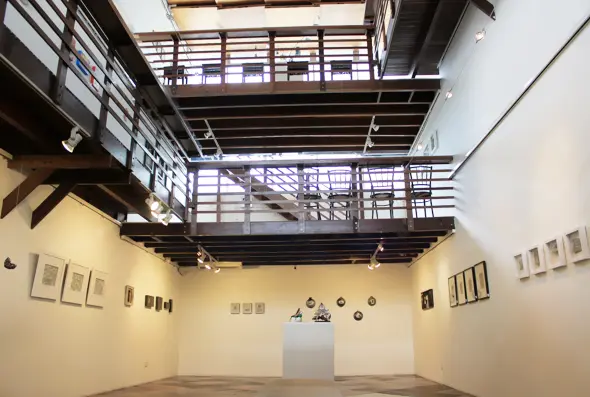
The museum spans four levels, each serving distinct purposes in creating a comprehensive cultural experience. Visitors enter through the main entrance at Jalan Lembah Perdana, which opens into the Lower Ground Floor lobby where the Customer Service counter is located. This entry level features wheelchair-friendly access with automatic sliding doors, ensuring the museum is welcoming to all visitors. The Lower Ground Floor also houses Special Gallery 1 near the lobby, dedicated to rotating special exhibitions and traveling collections that bring fresh perspectives to the museum experience.
The Ground Floor, connected to the lobby via lifts and a spiral staircase leading to the iconic Inverted Dome Pavilion, serves as a transitional space. Special Gallery 2 is located on this level, positioned beside the Inverted Dome room and providing additional exhibition space for temporary displays. The Inverted Dome itself contains the Open Space Gallery, specifically designed for photography exhibitions. This stunning architectural feature, with its elegantly adorned ceiling displaying intricate Islamic geometric patterns, has become one of the museum's most photographed elements. The Ground Floor also provides access to facilities including toilets with wheelchair-friendly options and storage lockers available through Customer Service.
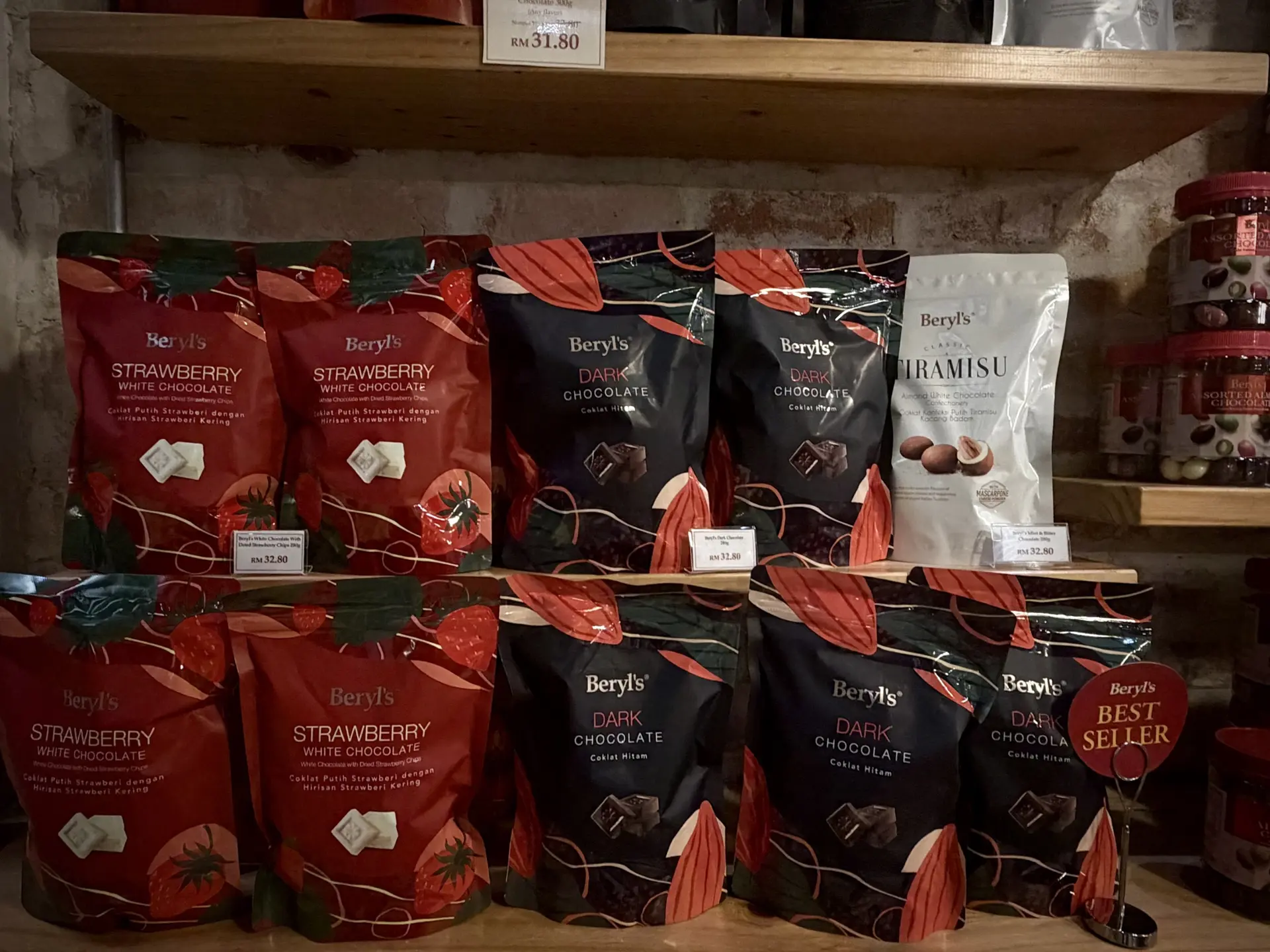
The First Floor (Level 1 in museum terminology) marks the beginning of the museum's permanent gallery experience and includes important visitor amenities. A ramp connects this level to the Second Floor, while additional lifts near the MOZA Restaurant provide access between all gallery floors. This level houses the Museum Shop, strategically located to offer visitors carefully curated souvenirs, quality replicas of artifacts, books on Islamic art and history, and authentic handcrafted items. The MOZA Restaurant serves Middle Eastern and fusion cuisine in an elegant setting with panoramic views of the Kuala Lumpur skyline and the museum's beautifully landscaped Fountain Garden, which is designed to mirror a traditional Islamic courtyard. The First Floor also features a Children's Library that hosts special educational activities every Saturday afternoon for children aged four to twelve, making the museum a family-friendly destination that introduces young visitors to Islamic cultural heritage.
Third Level: Foundation Galleries and Regional Collections
The Third Level (Level 3) houses the museum's foundational permanent galleries and includes important event facilities. The 247-seat Auditorium, equipped with cutting-edge audio-visual technology, hosts lectures, film screenings, and educational programs throughout the year. The Rehal Terrace serves as an extension space for displays or banquets that augment events in the Auditorium. The permanent galleries on this level establish the foundation for understanding Islamic art and culture. The Architecture Gallery showcases impressive scale models and representations of significant Islamic structures from around the world, including famous mosques and landmarks that demonstrate the diversity of Islamic architectural design across different regions and historical periods. Adjacent to this, the Quran and Manuscripts Gallery displays a vast collection of rare illuminated Quranic texts and centuries-old manuscripts from Persia, China, India, Turkey, and the Malay world, highlighting various calligraphic styles and the refined art of Islamic bookmaking traditions.
The Third Level continues with three regional galleries that pay special homage to Malaysia's multicultural heritage and the spread of Islamic culture across Asia. The India Gallery presents the ornate decorative arts of the Mughal Empire, one of the Islamic world's most significant empires, displaying remarkable jewelry, tableware, weapons, armor, paintings, and clothing that provide glimpses into Mughal court life. The China Gallery explores the unique characteristics of Chinese Islamic arts and their relationship with the broader Muslim world, featuring Chinese calligraphic scrolls, bronze objects, porcelain, and illustrations from the Qing dynasty Quran. The Malay World Gallery celebrates Southeast Asian Islamic art, showcasing ornaments, costumes, jewelry, and weapons from the Malay archipelago encompassing southern Thailand through the Malay Peninsula, Sumatra, Java, Sulawesi, and the southern Philippines. These three galleries collectively represent the diversity of Islamic peoples and reflect Malaysia's own multi-ethnic population of Malays, Chinese, and Indians, while illustrating how Islamic art adapted and flourished across diverse geographical and cultural contexts.
Fourth Level: Excellence in Craftsmanship
The Fourth Level (Level 2 in museum terminology) shifts focus entirely to the excellence of Islamic craftsmanship, organizing galleries by material and function to demonstrate the mastery of Islamic artisans across various disciplines. The Jewelry Gallery displays a fine collection of ornaments adorned by people throughout Islamic history, organized into two broad categories: exclusive and ethnic jewelry. Visitors can admire Turkoman jewelry from Central Asia, elaborate Indian pieces, and jewelry from the Fatimid era found in Egypt and Syria, featuring precious stones including gemstones, diamonds, emeralds, rubies, pearls, and various semi-precious stones from regions spanning from Xinjiang to Morocco and Turkey.
The Textile Gallery showcases an impressive variety of fabrics collected from across the world dating from the 15th to 19th centuries, with substantial representation of India's textile legacy. Early Islamic textiles appear in this collection in a more complete state than they are typically seen elsewhere. The collection particularly highlights Kashmir shawls influenced by Persian traditions, and the adoption of woven silk and velvet robes during Emperor Akbar's reign, tracing these innovations back to Persian influence. The Arms and Armour Gallery displays ornate weapons and ceremonial armor that demonstrate sophisticated metalworking techniques and the importance of military artistry in Islamic culture.
Additional specialized galleries complete the Fourth Level experience. The Living with Wood Gallery exhibits carved wooden objects, architectural elements, and furniture that showcase the skill and artistry of Islamic woodworkers across different regions. The Coins and Seal Gallery offers fascinating insight into Islamic economic and administrative history through currency and official seals from different periods and empires, revealing how Islamic civilizations managed commerce and governance. The Metalwork Gallery displays vessels, utensils, and decorative metal objects that were essential to both daily life and ceremonial occasions, demonstrating the refinement of Islamic metalworking across various functions. The Ceramics Gallery features pottery, decorative tiles, and glazed ceramic works from across the Islamic world, illustrating regional styles, techniques, and the evolution of ceramic arts over centuries.
Contextual Understanding and Educational Mission
Throughout the galleries, six strategically placed Lifestyle Cases present art objects in their original cultural contexts, showing how these beautiful pieces functioned in daily life across different Islamic societies including Ottoman, Persian, Spanish (Al-Andalus), Indian, Malay World, and Central Asian cultures. This innovative approach transforms the museum experience from simply viewing artifacts behind glass to understanding how Islamic art was integrated into living traditions, social customs, and everyday practices. The well-designed galleries feature natural lighting that enhances the viewing experience, with clear signage and detailed explanations making the collection accessible to visitors of all backgrounds, whether they're serious art enthusiasts, students of history, or simply curious about Islamic culture.
The museum's educational mission extends far beyond its physical galleries through comprehensive programming designed for diverse audiences. Educational programs, workshops, and guided tours are offered regularly for students, researchers, and cultural enthusiasts, deepening understanding of Islamic art, history, and cultural traditions. A specialized library provides extensive resources for those conducting research on Islamic art history, offering a quiet, scholarly environment for in-depth study. The museum's commitment to education is particularly evident in its children's programming, recognizing the importance of introducing young people to cultural appreciation and cross-cultural understanding from an early age.
The dynamic exhibition strategy ensures that the museum remains a vibrant, evolving cultural institution. Special Galleries 1 and 2 host rotating special exhibitions and traveling collections from other institutions worldwide, bringing rarely seen works and fresh perspectives to Kuala Lumpur's audiences. The Open Space Gallery's dedication to photography exhibitions acknowledges the important role of visual documentation in preserving and interpreting Islamic artistic heritage. This combination of permanent and temporary exhibition spaces means returning visitors always discover something new, while the permanent collection provides consistent access to the core masterpieces of Islamic artistic achievement.
The Islamic Arts Museum Malaysia successfully balances its roles as both a preservation institution and an active educational center, promoting cross-cultural dialogue and appreciation while preserving Islamic artistic traditions for future generations. The museum's comprehensive approach—combining world-class collections, thoughtful architectural design, accessible educational programming, quality visitor amenities, and a commitment to cultural understanding—ensures that it offers an enriching experience showcasing the diversity and beauty of Islamic artistic heritage in a welcoming, accessible environment. Whether spending an hour exploring favorite galleries or dedicating an entire afternoon to comprehensive exploration, visitors leave with deeper appreciation for the remarkable artistic achievements of Islamic civilization across fourteen centuries of creative expression.